“Our human compassion bind us the one to the other”
Nelson Mandela
“Compassion is the basis of all morality”
Arthur Schopenhauer
Wanting to help others and feeling or showing empathy is typically human. All over the world, across different cultures, eras, and religions, you can see that the desire to assist others returns in many forms. Whether it concerns physical, mental, or material help, it carries strong social weight. This remains true today.
Research questions:
How and when did compassion emerge in humans? What advantages were associated with this, and what did they lead to? How do people put their compassion for others (humans, animals, plants, the Earth) into practice? Why do they do it, and what are good examples?
What came before:
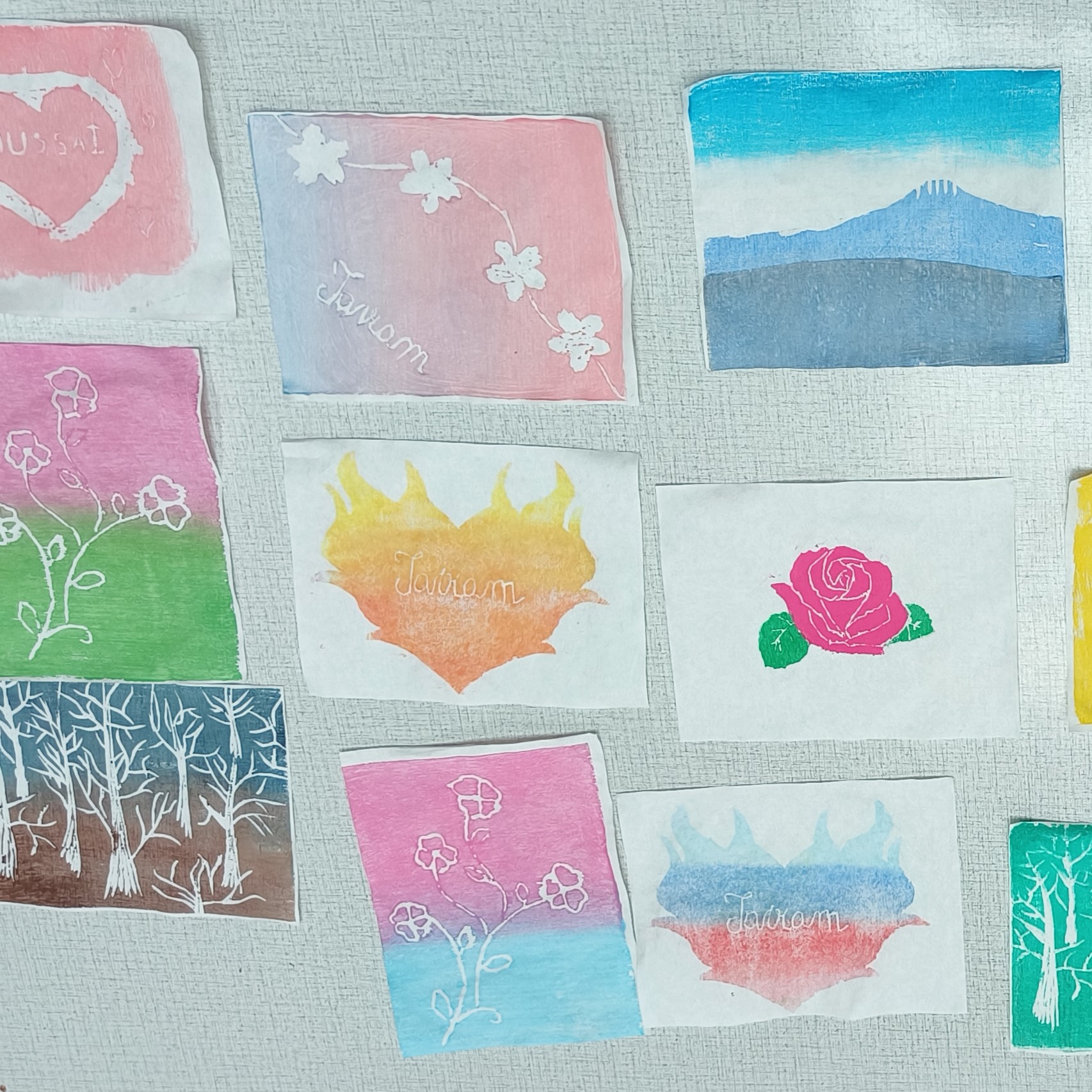
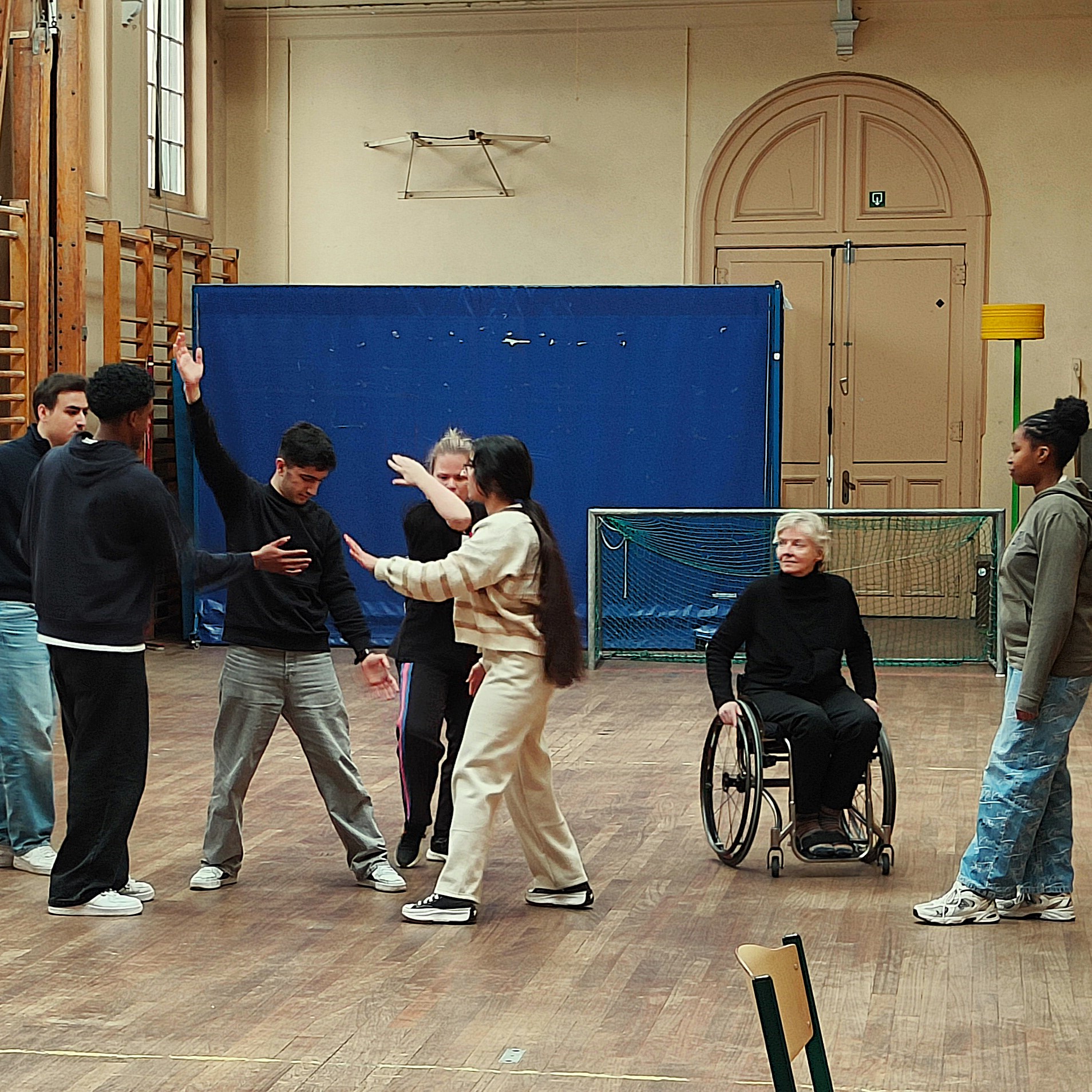
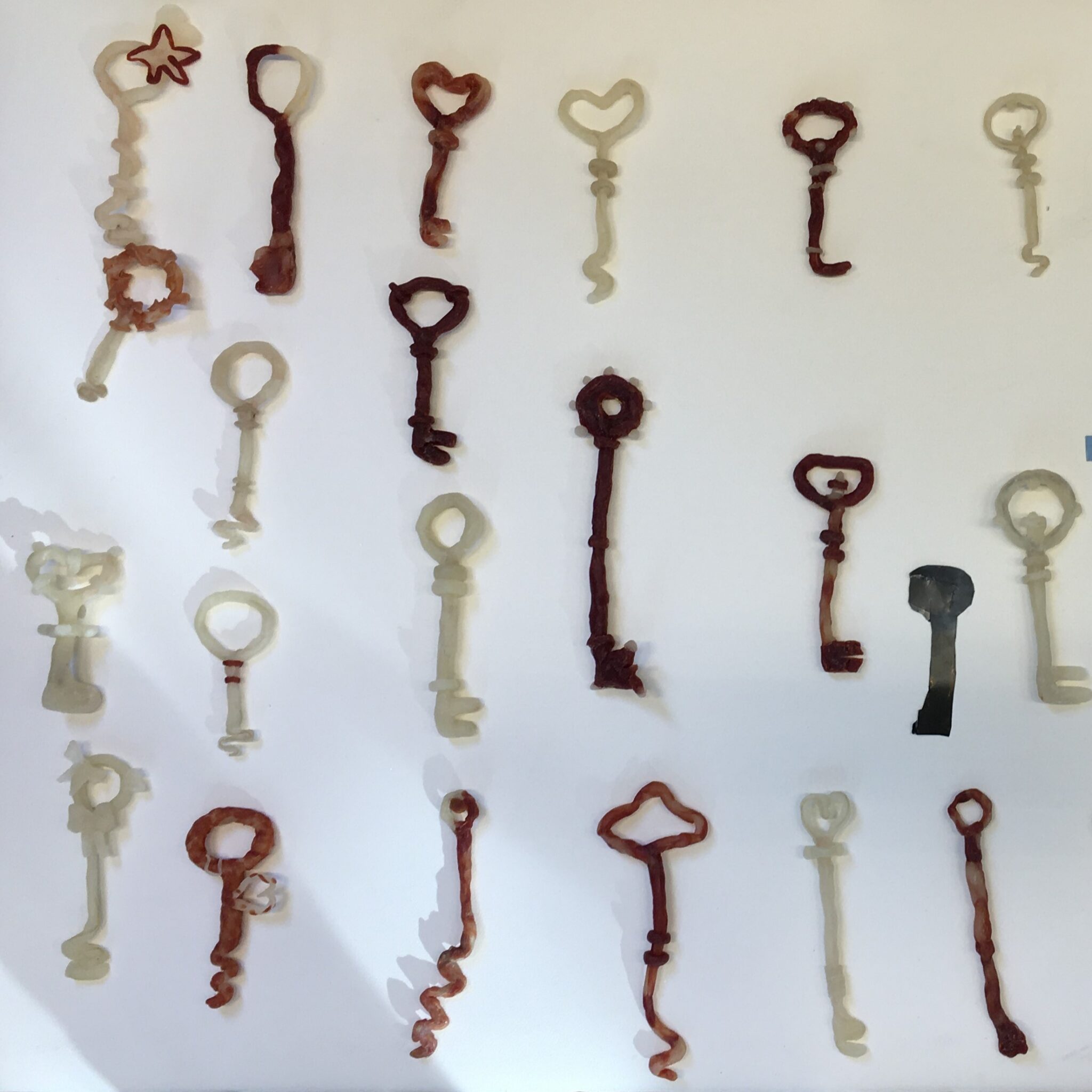
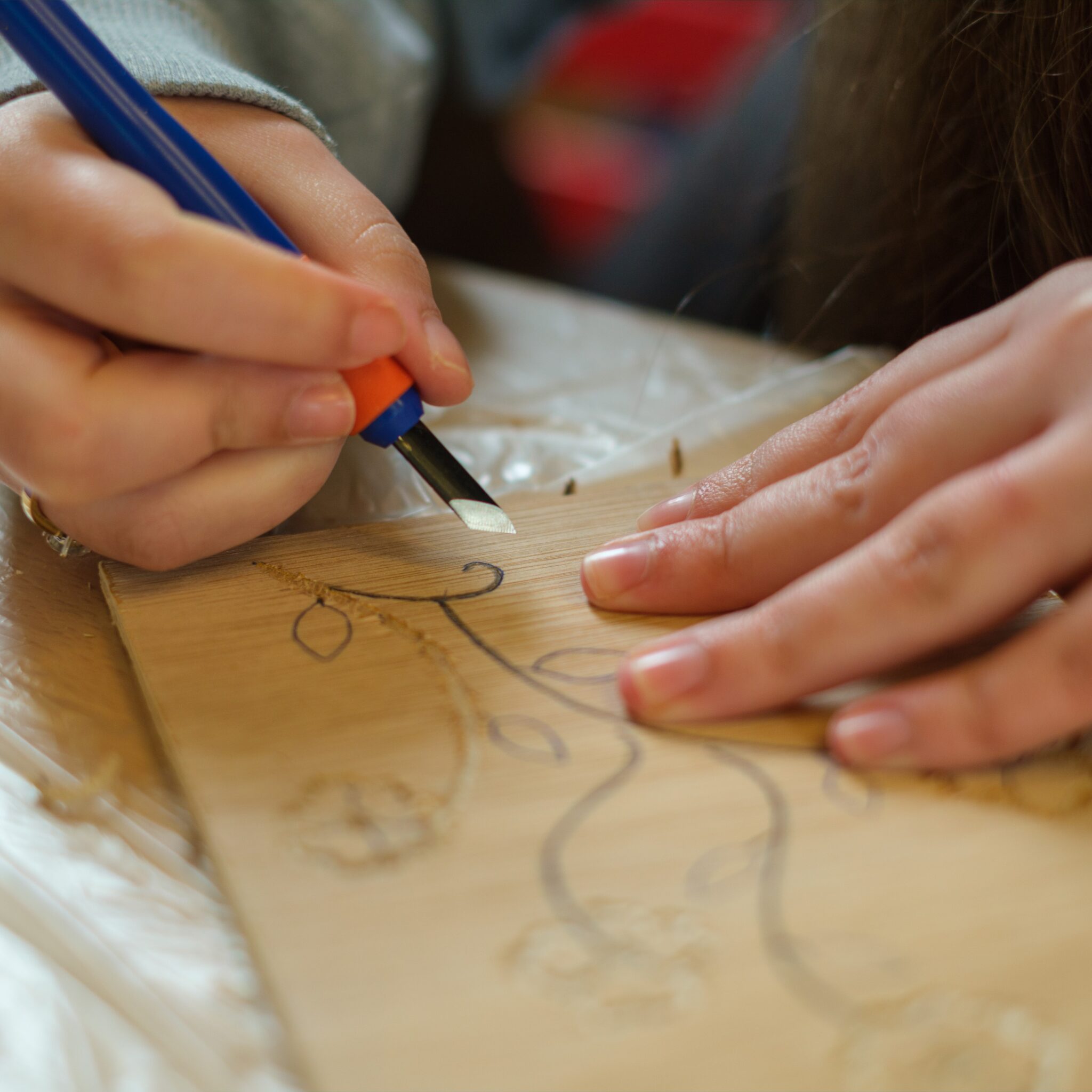
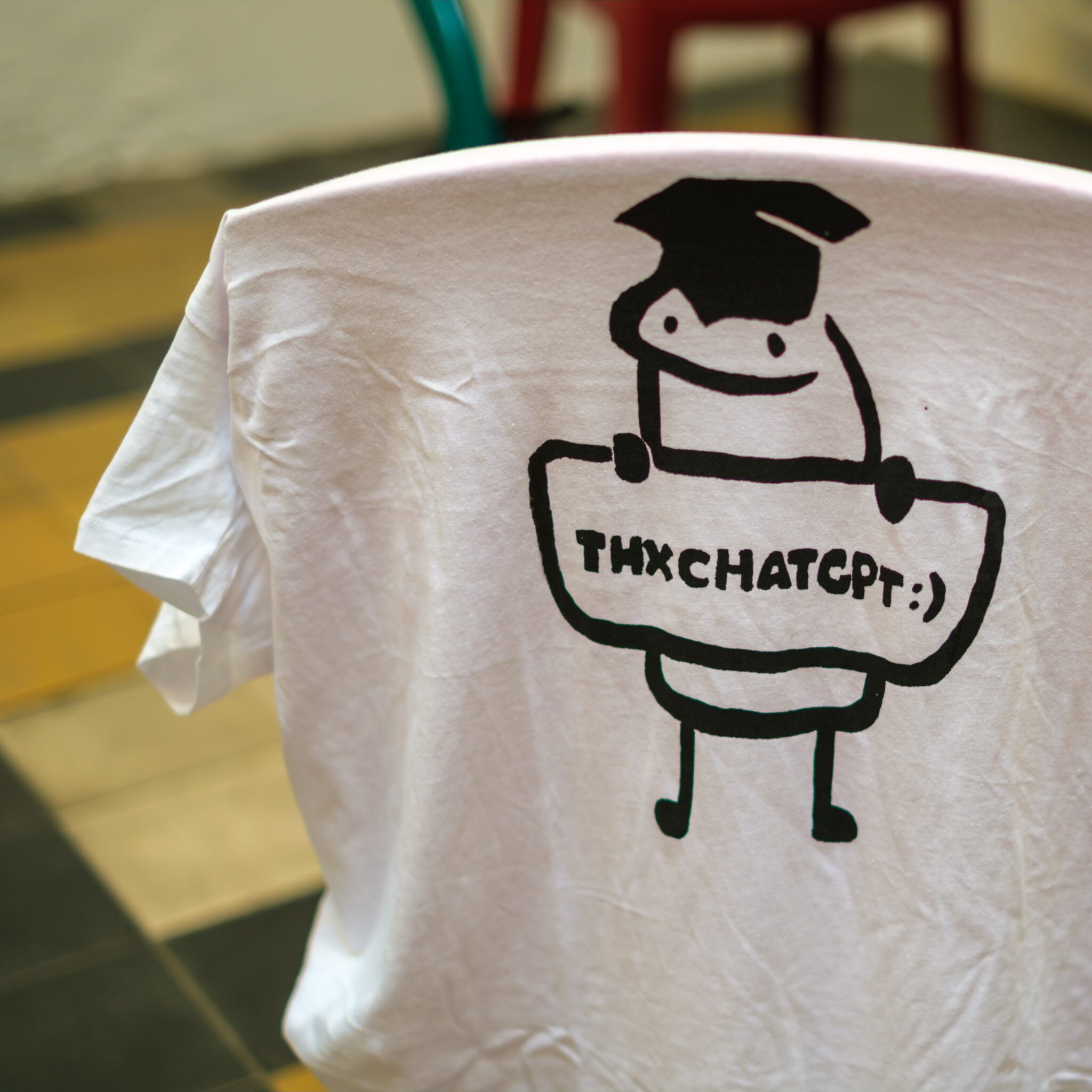
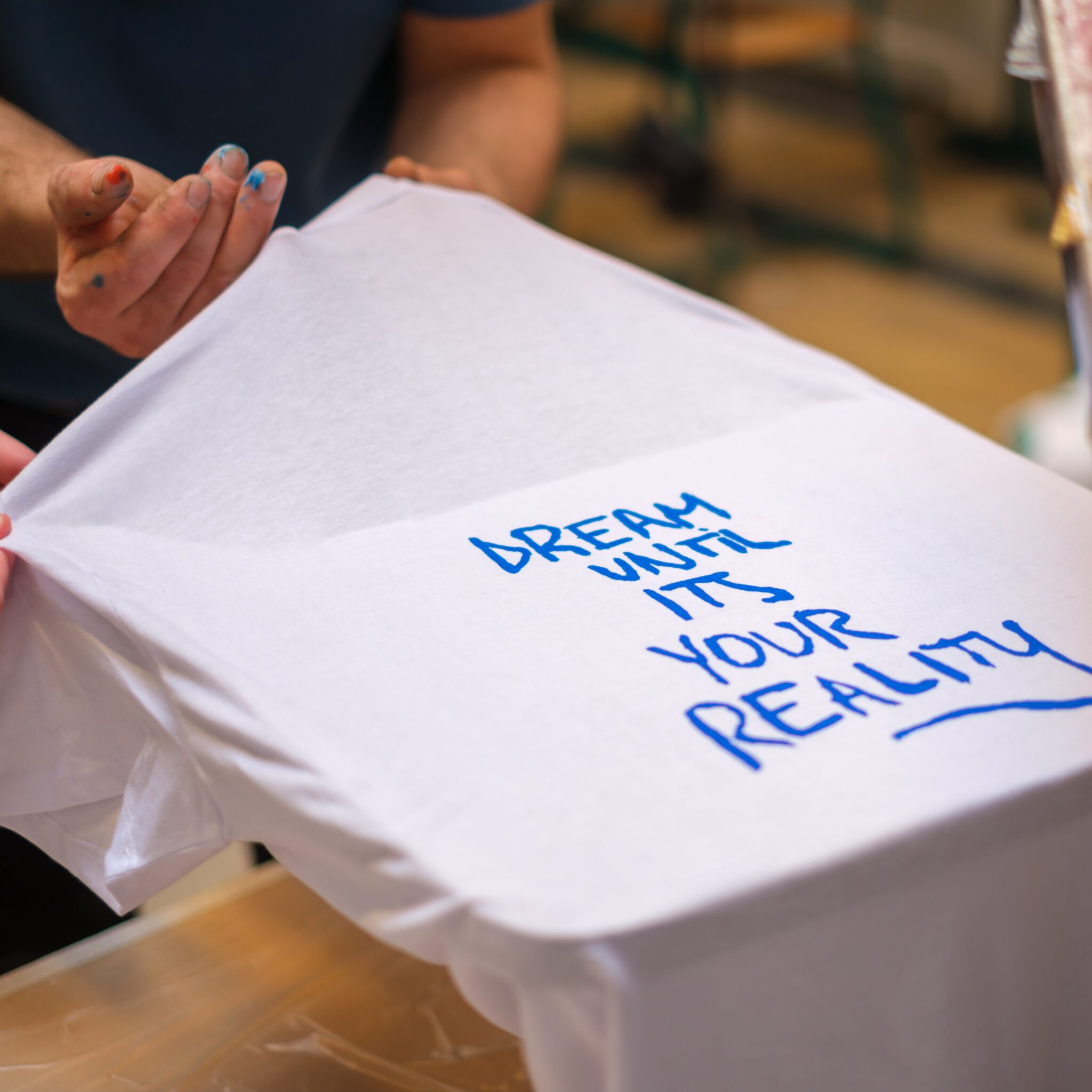
Students from the 5th year of Tourism (2023-2024) at the GO! Atheneum Antwerpen worked for a year under the guidance of visual artist Luca Aussems on an artistic project around the theme of Compassion. The result is an installation that brings together the diverse interpretations of the young people. It conveys a message of empathy and solidarity.
The students are also involved in the opening and guiding of the exhibition at the MAS.
This installation was exhibited at the MAS in the exhibition ‘Compassion’ (31/01-31/08/2025).
The installation consisted of three parts:
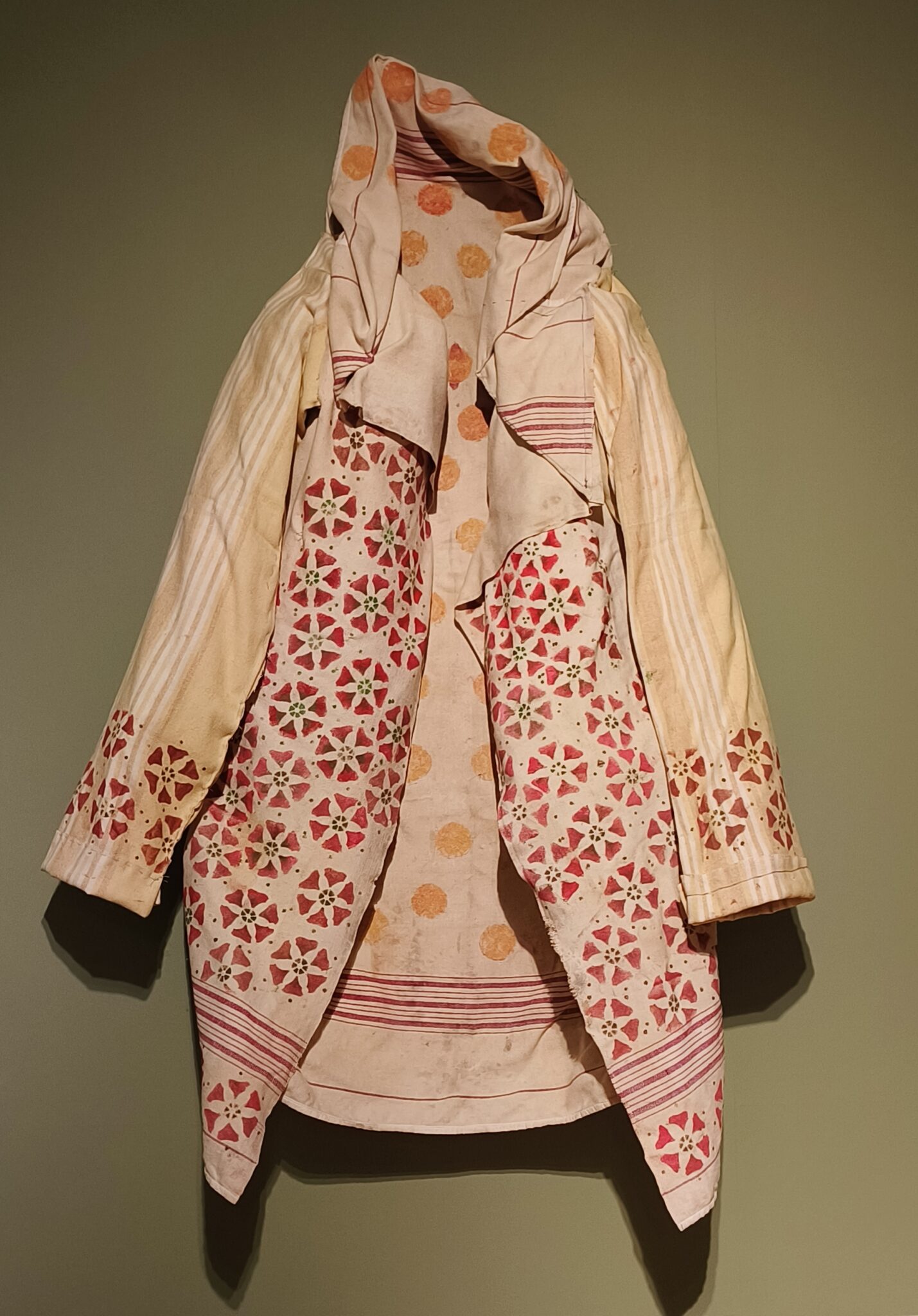
Cloak of Love (Mantel der Liefde)
Architecture takes many forms. Homeless people and people on the run often find shelter in tent camps. The fragile construction reflects the vulnerability of people in need.
The ‘Cloak of Love’ symbolises mercy, protection, warmth, and mutual gratitude.
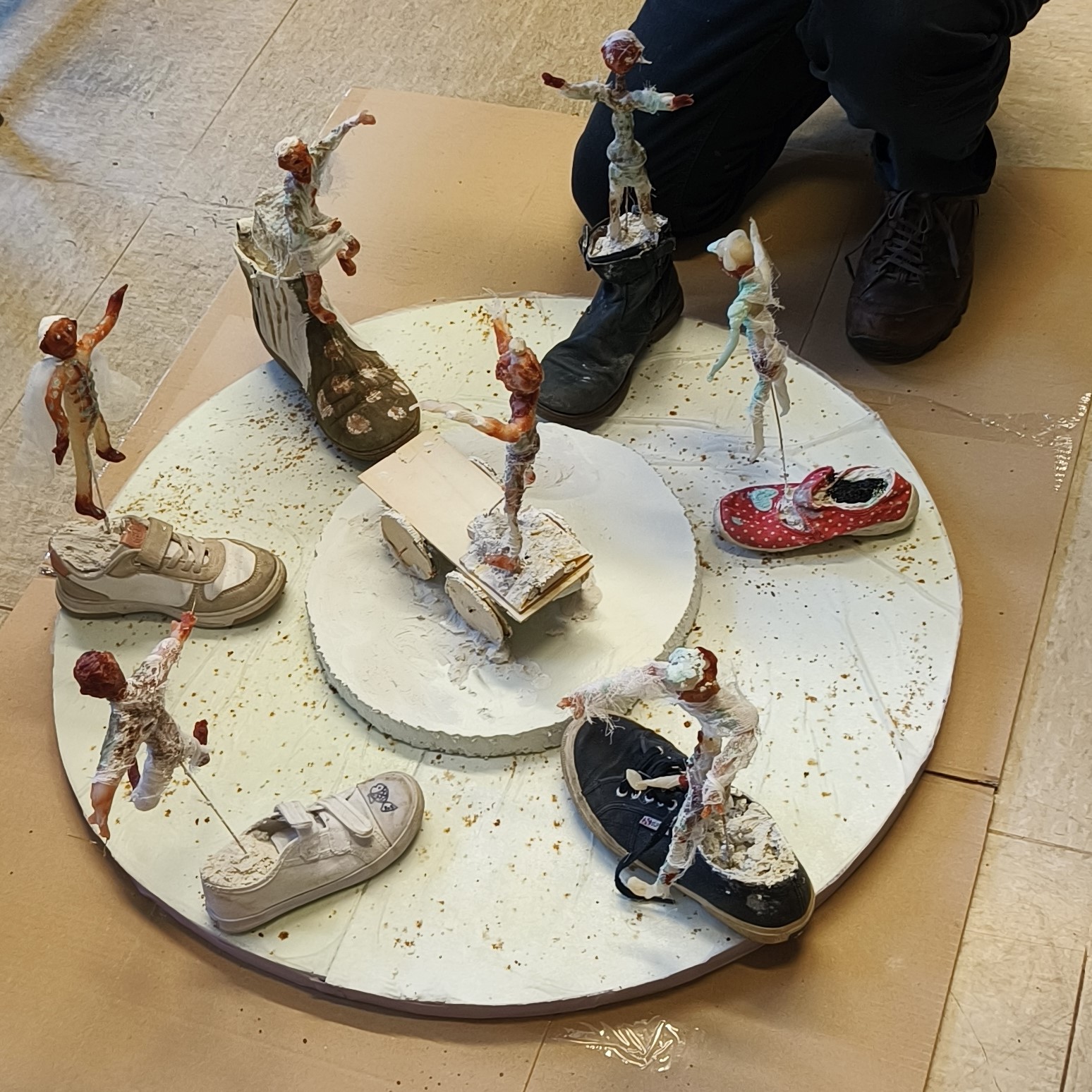
Into the landscape
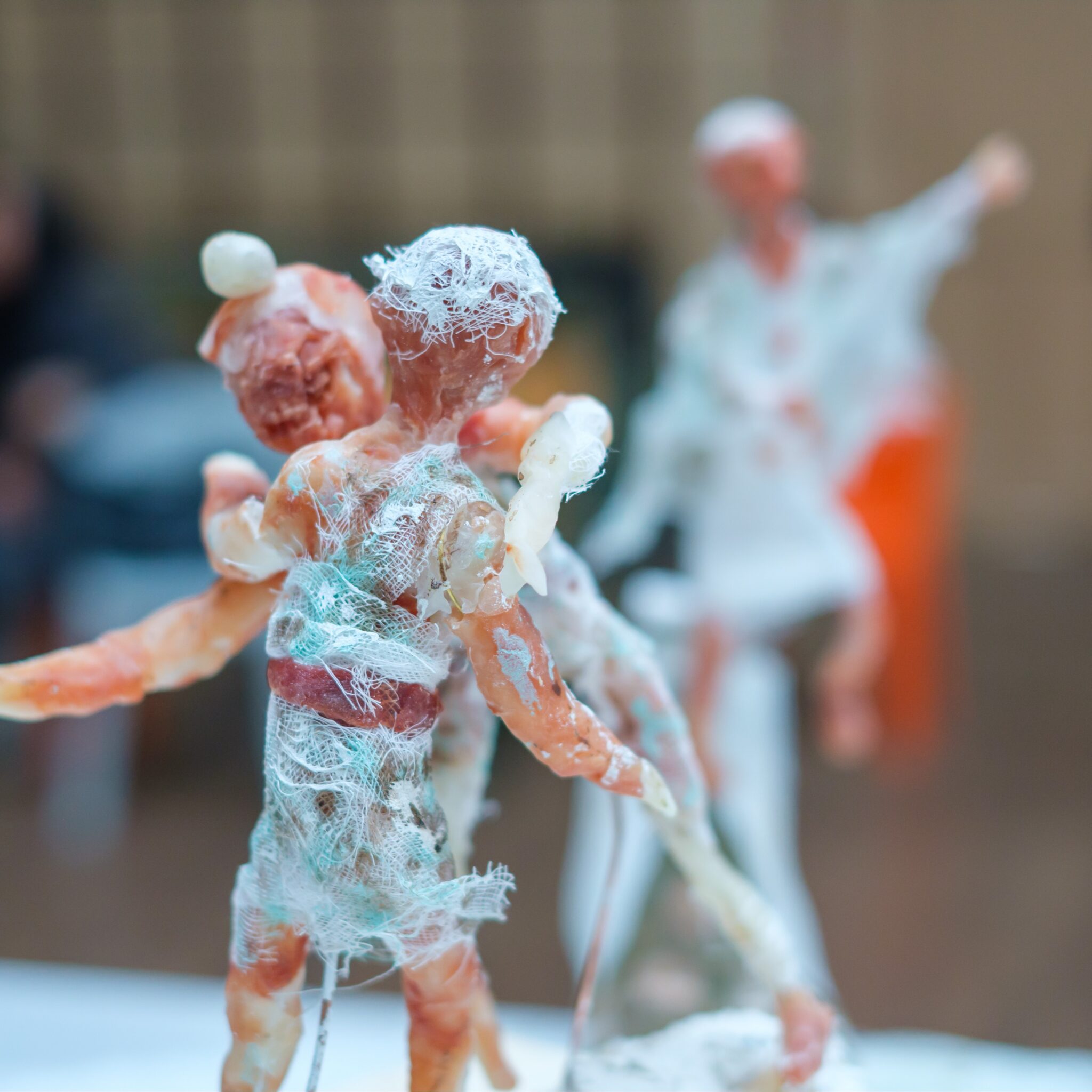
Here, forces come together to offer hope and comfort to those who need it. Large pedestals in the shape of shoes support acrobatic, dancing figures. Their shadows in the background reflect our shared dream of a better, more humane world.
No settling for crumbs (Geen genoegen met kruimels)
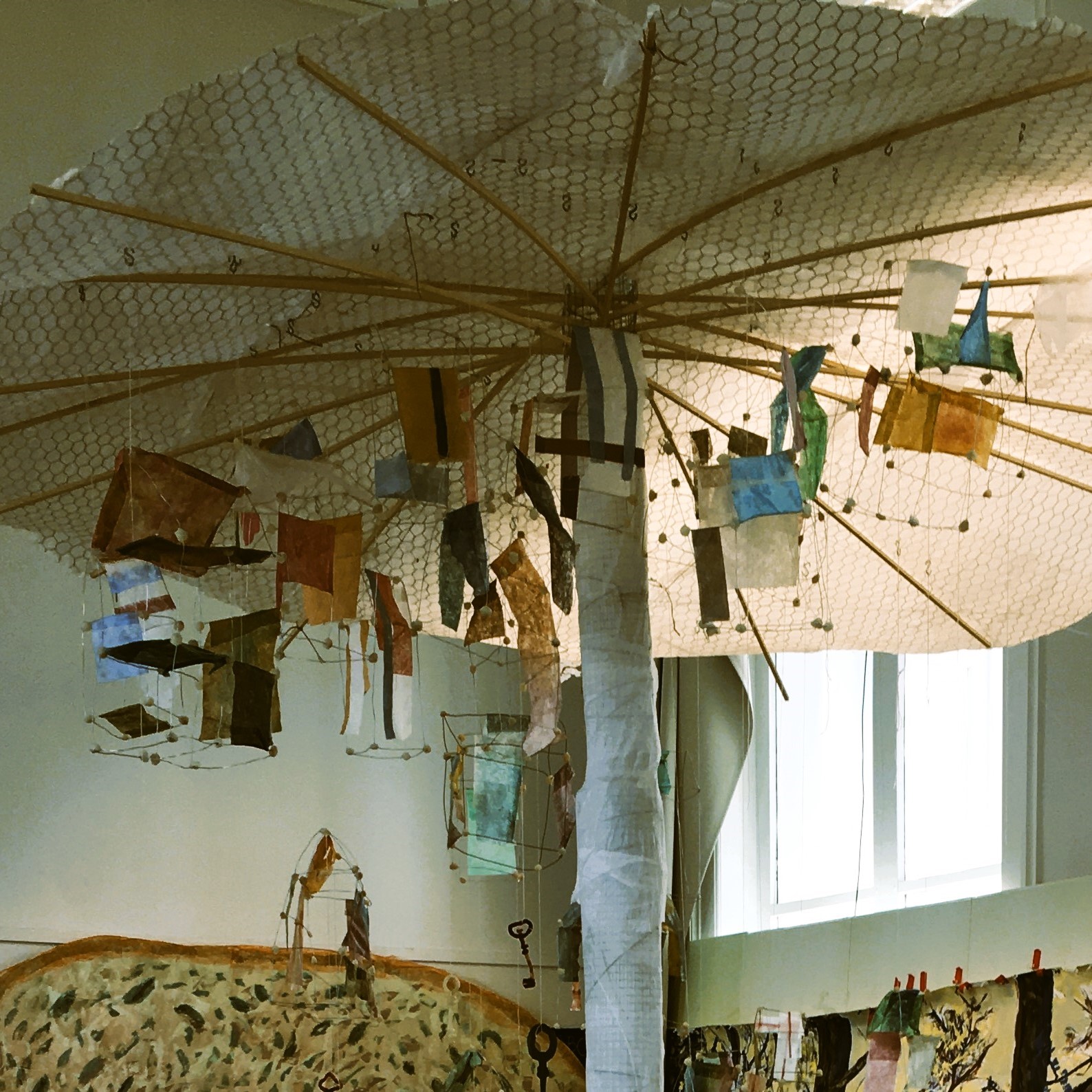
This installation makes it clear how unequally resources are distributed across the world. It shows how food waste and poverty go hand in hand, and the consequences this has for both humans and animals. The work challenges you to think about compassion and how we can treat our planet responsibly.
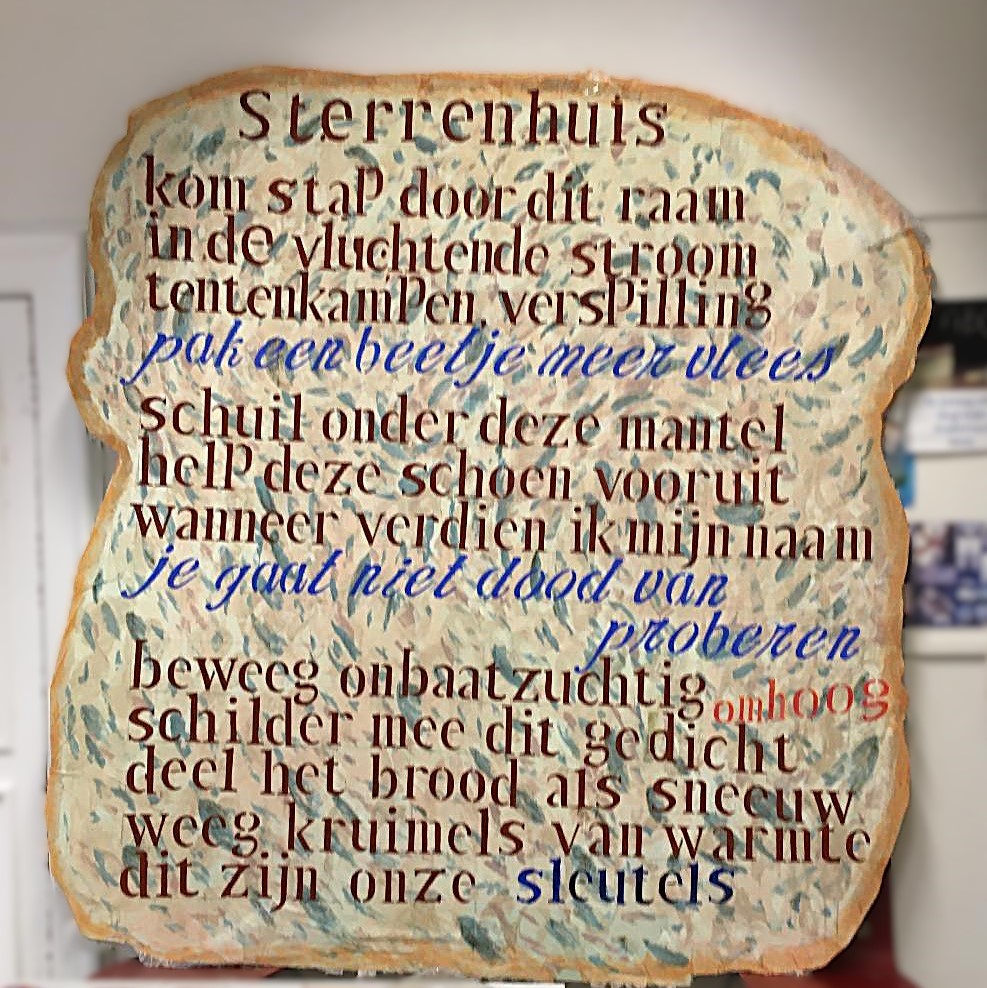
Additionally, under the linguistic guidance of school poet Peter Holvoet-Hanssen and the students of 5th-year Tourism (2024), a collaborative compilation poem was created.
STUDENT ART